
Table of Contents
- What is Masgonzola Cheese?
- Origin and How It’s Made
- Taste Profile & Texture
- Masgonzola vs Gorgonzola vs Mascarpone
- Nutritional Information
- Best Ways to Use Masgonzola in Cooking
- Popular Recipes
- Where to Buy Masgonzola in 2026
- Health Benefits and Considerations
- Tips for Storing and Serving
- FAQs
If you’ve searched for Masgonzola recently, you’re not alone. This creamy, tangy, and luxurious cheese hybrid has taken the food world by storm in 2026. It perfectly blends the ultra-smooth richness of Italian Mascarpone with the mild blue-veined sharpness of Gorgonzola.
Whether you’re a cheese lover, home cook, or foodie looking for something new, this guide covers everything about Masgonzola.
What is Masgonzola Cheese?
Masgonzola is a modern fusion cheese created by combining Mascarpone (a rich, double-cream Italian cheese) with Gorgonzola (the famous Italian blue cheese). The name itself is a clever portmanteau: “Mas” from Mascarpone + “gonzola” from Gorgonzola.
Unlike traditional cheeses with centuries of history, Masgonzola is a contemporary innovation. It was developed to offer the luxurious creaminess people love in mascarpone while adding a gentle blue cheese tang that isn’t as aggressive as classic Gorgonzola Piccante.
It has quickly become popular in gourmet restaurants, cheese boards, pasta dishes, and even desserts because of its versatile and crowd-pleasing flavor.
Origin and How Masgonzola is Made
While exact origins vary by producer, Masgonzola-style cheeses started appearing more widely around 2024–2025 in Italy and quickly spread to the US and Europe. Artisanal cheesemakers blend:
- Fresh Mascarpone (made from cow’s milk cream)
- Young Gorgonzola Dolce (the milder, sweeter version)
- Sometimes a small amount of Penicillium roqueforti culture for the signature light blue veining
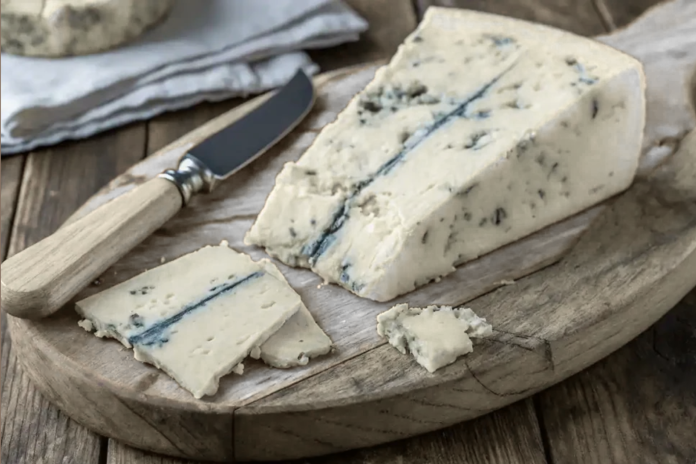
The result is a soft, spreadable cheese with subtle blue veins running through a velvety white base. Production is smaller-scale compared to mass-produced Gorgonzola, which keeps quality high.
Taste Profile & Texture
Texture: Exceptionally creamy and smooth — almost like a thick whipped cream cheese, but with structure.
Flavor:
- Mild blue cheese tang (much gentler than traditional Gorgonzola)
- Sweet, buttery notes from the mascarpone
- Slight nuttiness and earthy finish
- Salty kick that builds gradually
Many people who usually avoid strong blue cheeses fall in love with Masgonzola because it delivers flavor without the intense “blue cheese funk.”
Masgonzola vs Gorgonzola vs Mascarpone
| Cheese | Texture | Flavor Intensity | Best For | Blue Veins? |
|---|---|---|---|---|
| Masgonzola | Very creamy, spreadable | Mild-medium | Versatile (pasta, dips, desserts) | Light |
| Gorgonzola Dolce | Soft, crumbly | Mild to medium | Cheese boards, melting | Yes |
| Gorgonzola Piccante | Firmer, crumbly | Strong & pungent | Bold dishes | Strong |
| Mascarpone | Ultra-smooth | Very mild & sweet | Tiramisu, desserts | No |
Masgonzola gives you the best of both worlds — creaminess + character.
Nutritional Information (Per 1 oz / 28g Serving)
- Calories: ~110–120
- Fat: 10–11g (mostly from cream)
- Protein: 3–4g
- Carbohydrates: <1g
- Calcium: Good source
- Sodium: Moderate to high (due to blue cheese)
It’s rich in fats, so enjoy in moderation, but it also provides probiotics from the fermentation process.
Best Ways to Use Masgonzola in Cooking
Masgonzola shines because it melts beautifully and pairs with both sweet and savory dishes:
- Pasta Sauces — Creates the creamiest Gorgonzola pasta ever.
- Cheese Boards — Spreads easily on crackers with figs, honey, or walnuts.
- Salad Dressings — Whisk into vinaigrettes for instant creaminess.
- Steaks & Burgers — Top grilled meats for a gourmet touch.
- Desserts — Surprisingly good in cheesecakes or stuffed in dates.
- Dips — Mix with herbs for an easy party dip.
Popular Masgonzola Recipes You Must Try
1. Creamy Masgonzola Pasta (15-Minute Dinner) Sauté garlic in butter → Add heavy cream → Melt in Masgonzola → Toss with fettuccine or gnocchi. Finish with black pepper and toasted walnuts.
2. Masgonzola & Fig Crostini Toasted baguette + spread of Masgonzola + fresh figs + drizzle of honey. Sweet, salty, creamy perfection.
3. Masgonzola Stuffed Chicken Breast Stuff chicken with Masgonzola and spinach, then bake. Elegant yet easy.
4. Masgonzola Burger Mix a little into ground beef or top the patty with melted Masgonzola.
5. Masgonzola Cheesecake (Sweet Version) Use it instead of regular cream cheese for a subtly tangy dessert.
Where to Buy Masgonzola in 2026
- Specialty cheese shops and gourmet stores
- Online: Websites like Murray’s Cheese, Di Bruno Bros, or Amazon Fresh (search “Mascarpone Gorgonzola blend”)
- Some Whole Foods, Wegmans, and high-end supermarkets now stock it
- Italian delis and artisanal producers in Lombardy region (if visiting Italy)
Look for names like “Masgonzola,” “Mascagonzola,” or “Creamy Blue Mascarpone Fusion.”
Health Benefits and Considerations
Pros:
- Probiotics from blue mold (gut health)
- High in calcium and protein
- Rich, satisfying flavor means you use less
Cons:
- High in calories and saturated fat
- Not suitable for lactose-intolerant people or those with severe mold allergies
- Pregnant women should consult a doctor due to soft cheese nature
Tips for Storing and Serving Masgonzola
- Store in the refrigerator wrapped in wax paper (not plastic) inside an airtight container.
- Bring to room temperature 30 minutes before serving for best flavor.
- Use within 2–3 weeks of opening.
- Pair with: Sweet wines (Riesling, Moscato), bold reds, fresh fruits, nuts, and crusty bread.
Conclusion
Masgonzola is the perfect example of modern cheese innovation — taking two Italian classics and creating something even better. Its ultra-creamy texture and balanced mild blue flavor make it incredibly versatile for both beginners and experienced cooks.
In 2026, whether you’re making a quick weeknight pasta, building an impressive cheese board, or experimenting with gourmet recipes, Masgonzola delivers restaurant-quality results at home.
Have you tried Masgonzola yet? What’s your favorite way to use it? Share your experiences in the comments below — we’d love to hear your recipes and tips!